
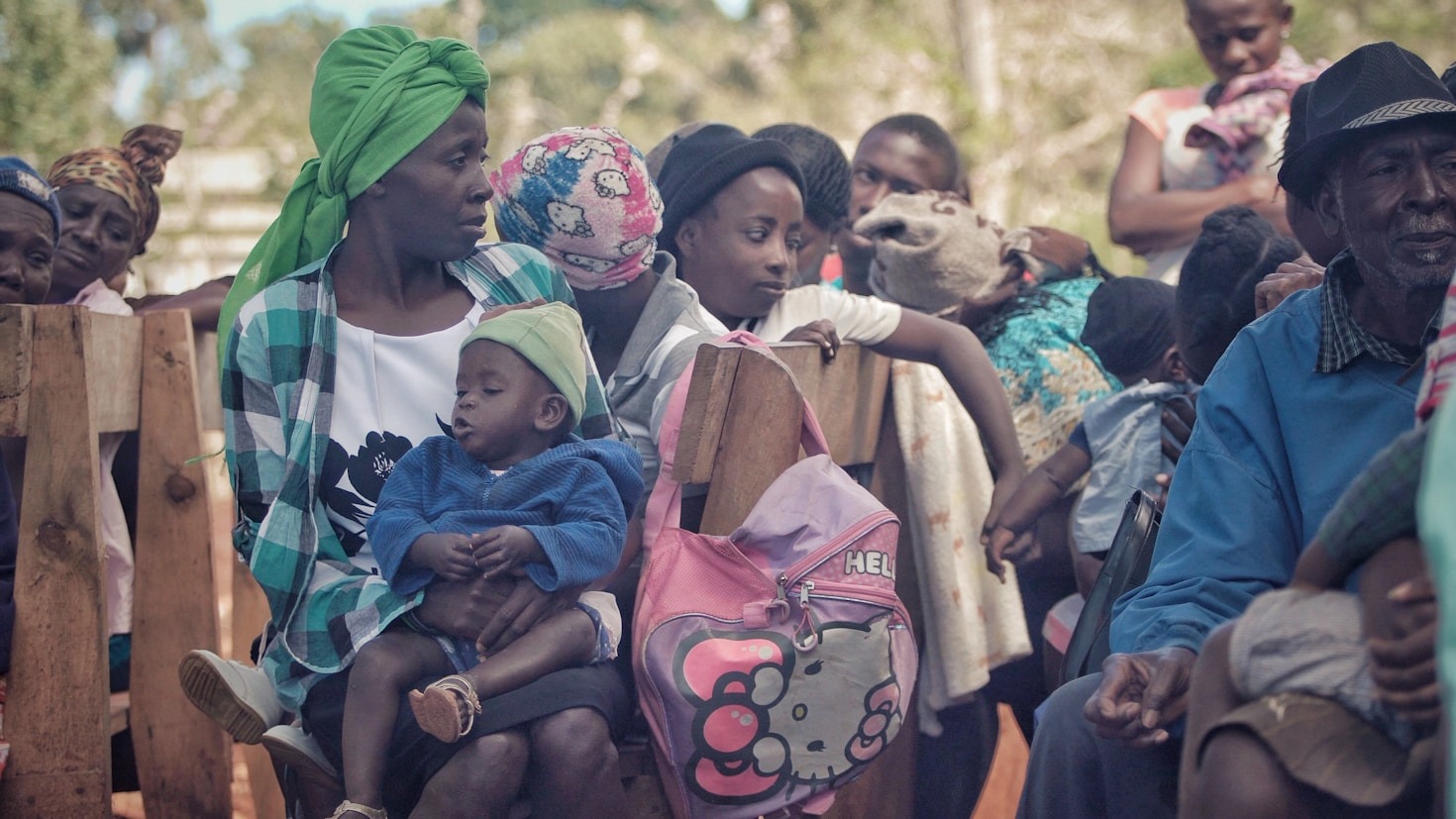
Peace is often imagined as the absence of conflict, yet true peace is something far more active and enduring. It is built through intentional systems that promote dignity, opportunity, and mutual understanding—especially in communities facing instability, poverty, or long-standing inequities. This article explores how innovative, community-centered approaches can advance peace not as an abstract ideal, but as a lived reality. By rethinking how care, education, and collaboration intersect, we can uncover practical pathways that transform tension into trust and fragility into resilience.
“Peace is not merely a distant goal that we seek, but a means by which we arrive at that goal.”
At the core of peace-building lies the recognition that conflict often grows where basic needs go unmet and voices go unheard. Innovative approaches shift the focus from reaction to prevention—investing in health, education, and local leadership before crises escalate. When communities are empowered with knowledge, access, and agency, they become architects of their own stability. Programs that integrate wellness, dialogue, and economic participation demonstrate that peace is not imposed from above, but cultivated from within. By aligning compassion with structure and long-term commitment, these approaches show that advancing peace is both achievable and sustainable when people are placed at the center of the solution.
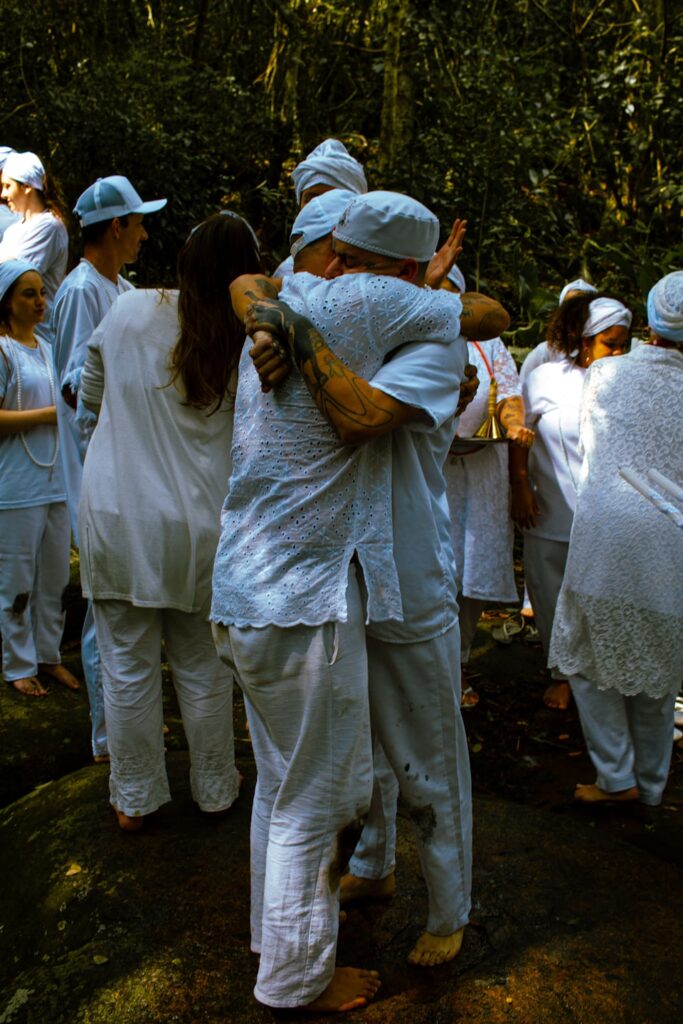

As the conversation around peace evolves, it is important to acknowledge that innovation can sometimes raise questions or even skepticism. Some may ask whether community-based, nontraditional approaches can truly influence complex social and political realities. Yet experience consistently shows that peace is most durable when it is rooted in everyday human interactions—access to care, education, economic stability, and mutual respect. By addressing the underlying conditions that give rise to conflict, innovative peace-building efforts complement diplomatic and policy-driven initiatives rather than compete with them. This perspective allows us to move from short-term interventions toward long-term stability, creating a natural bridge from vision to action as we approach the article’s closing reflections.
Wrapping Up with Key Insights
Advancing peace requires more than good intentions; it demands thoughtful, inclusive, and sustainable action. Throughout this article, we have explored how innovative approaches—grounded in compassion, community empowerment, and preventive care—can transform fragile environments into foundations for lasting harmony. Readers are encouraged to reflect on how peace can be cultivated in their own spheres, whether through service, dialogue, or support of initiatives that prioritize human dignity. When individuals and organizations commit to addressing root causes and nurturing resilience, peace becomes not just a hope for the future, but a practice of the present.